

Wastewater treatment is a critical process for a myriad of industries, ensuring that water can be reused or safely returned to the environment. One of the cornerstone chemicals in this process is the … Wastewater treatment is a critical process for a myriad of industries, ensuring that water can be reused or safely returned to the environment. One of the cornerstone chemicals in this process is the flocculant—specifically, anionic flocculants, which are vital in removing suspended solids from water. Among various brands available, PAMPolymer stands out for its effective and reliable products. But how do you choose the right anionic flocculant for your needs? This blog will guide you through the essential factors to consider. Understanding Anionic Flocculants Before delving into how to choose the right anionic flocculant, it is imperative to understand what it is and how it works. Anionic flocculants are negatively charged polymers that bond with positively charged particles in the wastewater. This interaction causes the particles to aggregate, or “floc,” which can then be easily separated from the water through sedimentation or filtration. PAMPolymer offers a diverse range of anionic flocculants designed to cater to
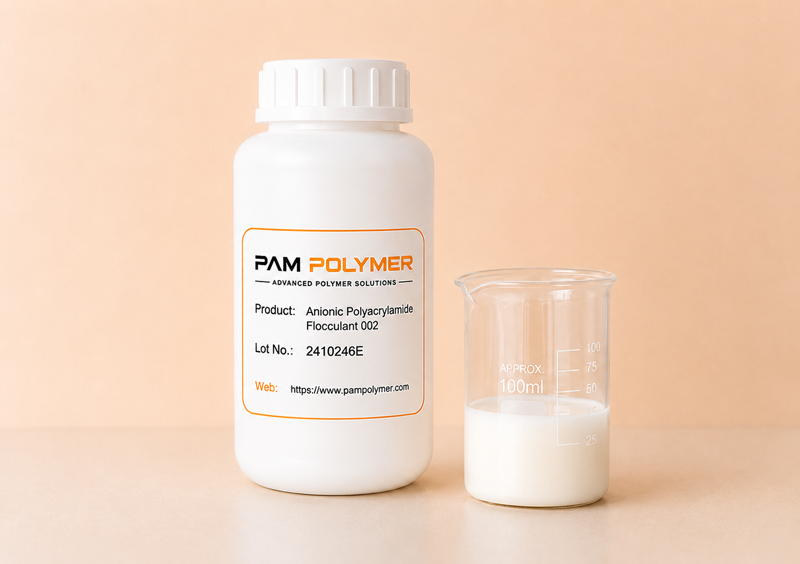
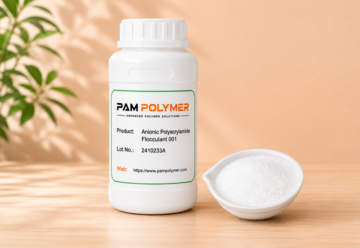
Grade: Medium anionic charge, ultra-high molecular weight
Main use: high-performance flocculation and sludge settling
Wastewater treatment is a critical process for a myriad of industries, ensuring that water can be reused or safely returned to the environment. One of the cornerstone chemicals in this process is the ... Wastewater treatment is a critical process for a myriad of industries, ensuring that water can be reused or safely returned to the environment. One of the cornerstone chemicals in this process is the flocculant—specifically, anionic flocculants, which are vital in removing suspended solids from water. Among various brands available, PAMPolymer stands out for its effective and reliable products. But how do you choose the right anionic flocculant for your needs? This blog will guide you through the essential factors to consider. Understanding Anionic Flocculants Before delving into how to choose the right anionic flocculant, it is imperative to understand what it is and how it works. Anionic flocculants are negatively charged polymers that bond with positively charged particles in the wastewater. This interaction causes the particles to aggregate, or "floc," which can then be easily separated from the water through sedimentation or filtration. PAMPolymer offers a diverse range of anionic flocculants designed to cater to different wastewater treatment needs. Factors to Consider When Choosing an Anionic Flocculant Type of Wastewater Different industries produce varied types of wastewater, each containing different types and amounts of
| Product Category | Anionic Polyacrylamide Flocculant |
| Formula / Type | (C3H5NO)n anionic copolymer |
| CAS No. | 9003-05-8 |
| Grade | Medium anionic charge, ultra-high molecular weight |
| Appearance | white powder or emulsion |
| Application | high-performance flocculation and sludge settling |
| Packaging | 25 kg bags, drums or IBC tanks |
Products | Product Code | Anionic Charge | Molecular Weight |
Anionic PAM Powder | PAMPolymer 9012 | Slight | Medium |
Anionic PAM Powder | PAMPolymer 9110 | Slight | High |
Anionic PAM Powder | PAMPolymer 9113 | Slight/Low | Medium |
Anionic PAM Powder | PAMPolymer 9115 | Low | Medium |
Anionic PAM Powder | PAMPolymer 9118 | Low | High |
Anionic PAM Powder | PAMPolymer 9214 | Medium | Medium |
Anionic PAM Powder | PAMPolymer 9216 | Medium | Medium |
Anionic PAM Powder | PAMPolymer 9218 | Medium | High |
Anionic PAM Powder | PAMPolymer 9219 | Medium | High |
Anionic PAM Powder | PAMPolymer 9220 | Medium | Very High |
Anionic PAM Powder | PAMPolymer 9221 | Medium | Very High |
Anionic PAM Powder | PAMPolymer 9224 | Medium | Ultra High |
Anionic PAM Powder | PAMPolymer 9226 | Medium | Ultra High |
Anionic PAM Powder | PAMPolymer 9316 | Medium | Medium |
Anionic PAM Powder | PAMPolymer 9318 | Medium | High |
Anionic PAM Powder | PAMPolymer 9320 | Medium | Very High |
Anionic PAM Powder | PAMPolymer 9326 | Medium | Ultra High |
Anionic PAM Powder | PAMPolymer 9418 | Medium | High |
Anionic PAM Powder | PAMPolymer 9426 | Medium | Ultra High |
Anionic PAM Powder | PAMPolymer 9518 | High | High |
Anionic PAM Emulsion | PAMPolymer 932 | Medium | High |
Anionic EPAM Oil-Free | PAMPolymer 939W | Medium | Low/Medium |
Wastewater treatment is a critical process for a myriad of industries, ensuring that water can be reused or safely returned to the environment. One of the cornerstone chemicals in this process is the ...
Wastewater treatment is a critical process for a myriad of industries, ensuring that water can be reused or safely returned to the environment. One of the cornerstone chemicals in this process is the flocculant—specifically, anionic flocculants, which are vital in removing suspended solids from water. Among various brands available, PAMPolymer stands out for its effective and reliable products. But how do you choose the right anionic flocculant for your needs? This blog will guide you through the essential factors to consider.
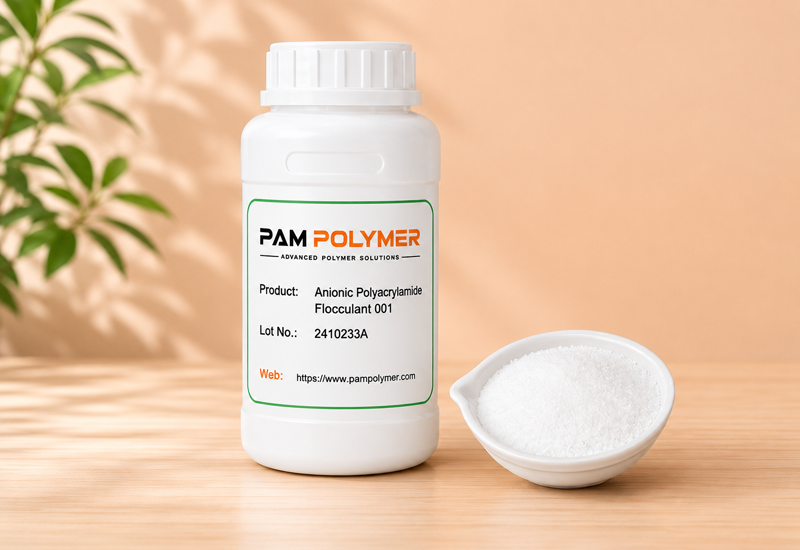
Before delving into how to choose the right anionic flocculant, it is imperative to understand what it is and how it works. Anionic flocculants are negatively charged polymers that bond with positively charged particles in the wastewater. This interaction causes the particles to aggregate, or "floc," which can then be easily separated from the water through sedimentation or filtration. PAMPolymer offers a diverse range of anionic flocculants designed to cater to different wastewater treatment needs.
Type of Wastewater
Different industries produce varied types of wastewater, each containing different types and amounts of contaminants. It is crucial to identify the characteristics of your wastewater to select an appropriate anionic flocculant. For example, wastewater from the textile industry may contain dyes and chemicals that require a different flocculant compared to wastewater from a food processing plant. PAMPolymer provides specialized solutions tailored to different industrial needs.
Effectiveness
The effectiveness of an anionic flocculant is often measured by its flocculation performance. This includes the rate at which it induces flocculation, the size of the flocs formed, and the clarity of the treated water. PAMPolymer's anionic flocculants are known for their high efficiency and superior flocculation performance, making them a reliable choice for many industries.
Environmental Impact
The environmental impact of the chemicals used in wastewater treatment is an increasing concern for industries worldwide. Choosing an eco-friendly anionic flocculant can help reduce environmental footprints and comply with regulatory standards. PAMPolymer is committed to sustainability, offering products that are not only effective but also environmentally responsible.
Cost-effectiveness
Cost is a critical factor in selecting a flocculant, but it should not be the only consideration. Cheaper products may require a higher dosage or lead to additional expenses in sludge disposal and further treatment steps. Evaluating the overall cost-effectiveness, including the required dosage rate and the total treatment cost, is crucial. PAMPolymer provides anionic flocculants that deliver excellent performance, ensuring you get the best value for your investment.
Choosing PAMPolymer for your anionic flocculant needs brings several benefits. Their products are recognized for their effectiveness, quality, and reliability. PAMPolymer's flocculants are designed to work efficiently in various industrial applications, ensuring that you achieve optimal results in your wastewater treatment process. Moreover, PAMPolymer's commitment to sustainability means that their products are formulated to be environmentally friendly, aligning with global efforts to reduce industrial pollution.
Selecting the right anionic flocculant can be a complex task, particularly for industries with unique wastewater treatment challenges. Working with experts from PAMPolymer can simplify this process. They can provide valuable insights and customized solutions tailored to your specific needs, ensuring you select the most effective flocculant for your wastewater treatment.
Choosing the right anionic flocculant is crucial for efficient wastewater treatment. By considering factors such as the type of wastewater, effectiveness, environmental impact, and cost-effectiveness, you can make an informed decision. PAMPolymer offers a range of high-quality anionic flocculants designed to meet various industrial needs, ensuring both effective treatment and environmental responsibility. Consult with PAMPolymer experts to find the best solution for your specific requirements and enhance your wastewater treatment process.
Send your required grade, application, packaging, quantity and destination port. PAMPolymer will reply with product details and export pricing.



Wastewater treatment is a critical process for a myriad of industries, ensuring that water can be reused or safely returned to the environment. One of the cornerstone chemicals in this process is the … Wastewater treatment is a critical process for a myriad of industries, ensuring that water can be reused or safely returned to the environment. One of the cornerstone chemicals in this process is the flocculant—specifically, anionic flocculants, which are vital in removing suspended solids from water. Among various brands available, PAMPolymer stands out for its effective and reliable products. But how do you choose the right anionic flocculant for your needs? This blog will guide you through the essential factors to consider. Understanding Anionic Flocculants Before delving into how to choose the right anionic flocculant, it is imperative to understand what it is and how it works. Anionic flocculants are negatively charged polymers that bond with positively charged particles in the wastewater. This interaction causes the particles to aggregate, or “floc,” which can then be easily separated from the water through sedimentation or filtration. PAMPolymer offers a diverse range of anionic flocculants designed to cater to different wastewater treatment needs. Factors to Consider When Choosing an Anionic Flocculant Type of Wastewater Different industries produce varied types of wastewater, each containing different types and amounts of contaminants. It is crucial to identify the characteristics of your wastewater to select an appropriate anionic flocculant. For example, wastewater from the textile industry may contain dyes and chemicals that require a different flocculant compared to wastewater from a food processing plant. PAMPolymer provides specialized solutions tailored to different industrial needs. Effectiveness The effectiveness of an anionic flocculant is often measured by its flocculation performance. This includes the rate at which it induces flocculation, the size of the flocs formed, and the clarity of the treated water. PAMPolymer’s anionic flocculants are known for their high efficiency and superior flocculation performance, making