
DABC Monomer for Dyes and Printing Product Detail
DABC Monomer for Dyes and Printing Product
DABC Monomer Application
DABC Monomer Supply
DABC Monomer for Dyes and Printing Product Detail DABC Monomer for Dyes and Printing Product DABC Monomer Application DABC Monomer Supply

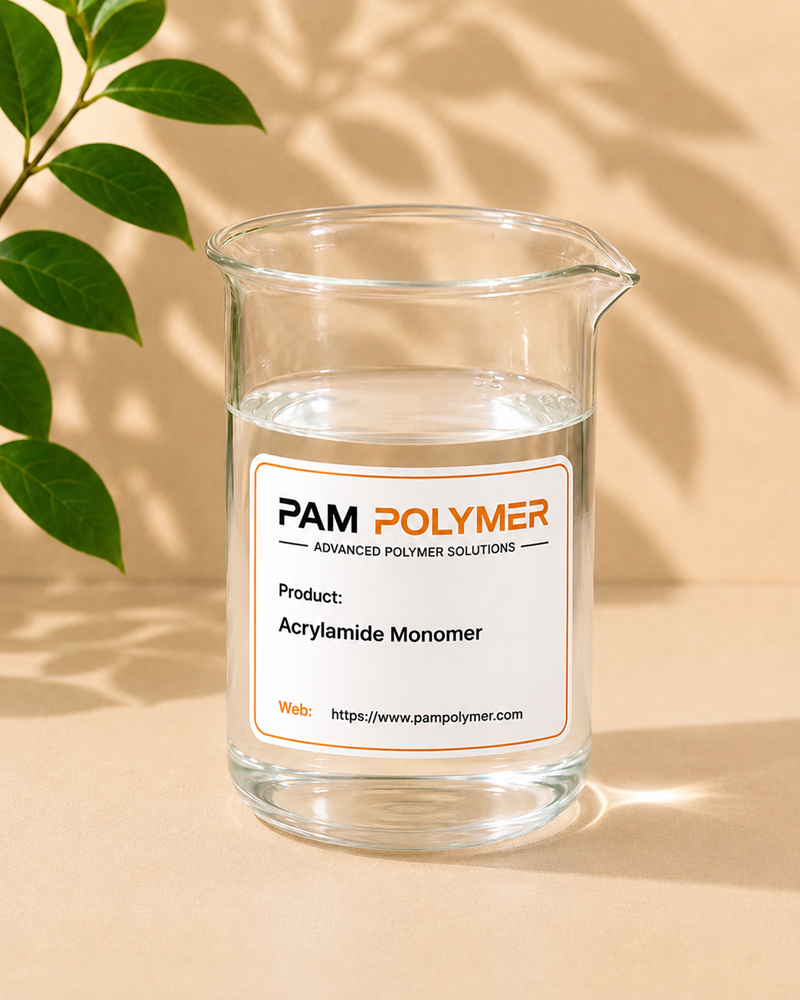
Industrial Grade Acrylamide Monomer

The main method of dry pam preparation is the production technical of medium concentration (20%~30%) aqueous solution polymerization, which is also the main method of producing polyacrylamide in China… The main method of dry pam preparation is the production technical of medium concentration (20%~30%) aqueous solution polymerization, which is also the main method of producing polyacrylamide in China. The technological process is mainly composed of polymerization, granulation, drying, and screening,which can be divided into sheet (conveyor belt) polymerization and bulk (Polymerizer) polymerization. 1. Sheet (conveyor belt) polymerization process of dry pam The polymerization heat of acrylamide is 1255KJ/Kg monomer, and the heat released by AM with a concentration of 20%-30% during adiabatic polymerization can increase the temperature of the system by 60—90 °C. In order to solve the problem of polymerization heat, acrylamide aqueous solution can be coated cover the concave steel plate or conveyor belt to polymerize in a thin layer (thickness up to 20mm) in a nitrogen atmosphere. The polymerization reaction is initiated by persulfate or azo compounds, redox systems, ultrasound or gamma rays. The heat of polymerization is dissipated to the surroundings and also absorbed by the newly

  1. Category: Acrylamide Monomer
  2. Formula / Type: C3H5NO
  3. CAS No.: 79-06-1
  4. Grade: Industrial synthesis grade
  5. Appearance: white crystalline solid or aqueous solution
  6. Application: industrial polymers and specialty chemical synthesis
  7. Package: bags, drums or IBC tanks
Description
Technical Data
More Details
Contact Us Now
Description

Industrial Grade Acrylamide Monomer

Grade: Industrial synthesis grade

Main use: industrial polymers and specialty chemical synthesis

The main method of dry pam preparation is the production technical of medium concentration (20%~30%) aqueous solution polymerization, which is also the main method of producing polyacrylamide in China... The main method of dry pam preparation is the production technical of medium concentration (20%~30%) aqueous solution polymerization, which is also the main method of producing polyacrylamide in China. The technological process is mainly composed of polymerization, granulation, drying, and screening,which can be divided into sheet (conveyor belt) polymerization and bulk (Polymerizer) polymerization. 1. Sheet (conveyor belt) polymerization process of dry pam The polymerization heat of acrylamide is 1255KJ/Kg monomer, and the heat released by AM with a concentration of 20%-30% during adiabatic polymerization can increase the temperature of the system by 60—90 °C. In order to solve the problem of polymerization heat, acrylamide aqueous solution can be coated cover the concave steel plate or conveyor belt to polymerize in a thin layer (thickness up to 20mm) in a nitrogen atmosphere. The polymerization reaction is initiated by persulfate or azo compounds, redox systems, ultrasound or gamma rays. The heat of polymerization is dissipated to the surroundings and also absorbed by the newly taped carrier with maximum polymerization temperature of 90%. Adding surfactants, isopropanol or glycerol to the original solution, or coating the steel strip with a fluorine-containing polymeric membrane, can ensure

Technical Data

Industrial Grade Acrylamide Monomer Technical Data

Product CategoryAcrylamide Monomer
Formula / TypeC3H5NO
CAS No.79-06-1
GradeIndustrial synthesis grade
Appearancewhite crystalline solid or aqueous solution
Applicationindustrial polymers and specialty chemical synthesis
Packagingbags, drums or IBC tanks
More Details

Industrial Grade Acrylamide Monomer Applications and Product Information

The main method of dry pam preparation is the production technical of medium concentration (20%~30%) aqueous solution polymerization, which is also the main method of producing polyacrylamide in China...

The main method of dry pam preparation is the production technical of medium concentration (20%~30%) aqueous solution polymerization, which is also the main method of producing polyacrylamide in China. The technological process is mainly composed of polymerization, granulation, drying, and screening,which can be divided into sheet (conveyor belt) polymerization and bulk (Polymerizer) polymerization.


1. Sheet (conveyor belt) polymerization process of dry pam

The polymerization heat of acrylamide is 1255KJ/Kg monomer, and the heat released by AM with a concentration of 20%-30% during adiabatic polymerization can increase the temperature of the system by 60—90 °C. In order to solve the problem of polymerization heat, acrylamide aqueous solution can be coated cover the concave steel plate or conveyor belt to polymerize in a thin layer (thickness up to 20mm) in a nitrogen atmosphere. The polymerization reaction is initiated by persulfate or azo compounds, redox systems, ultrasound or gamma rays. The heat of polymerization is dissipated to the surroundings and also absorbed by the newly taped carrier with maximum polymerization temperature of 90%. Adding surfactants, isopropanol or glycerol to the original solution, or coating the steel strip with a fluorine-containing polymeric membrane, can ensure that the polymer does not stick to the carrier. After the acrylamide polymer is removed from the steel belt, dry pam can be made by granulating, drying and pulverizing.


2. Bulk (polymerizer) polymerization process of dry pam

When the polymerization scale is quite large and no special cooling measures are taken, it can be approximated as "bulk adiabatic polymerization". The rising of temperature depends on the initiation temperature, the polymerization heat of AM and the heat capacity of the system. Usually, when the initiation temperature is up to 20% and the polymerization concentration is 25%, the maximum polymerization temperature can reach 95%. Adiabatic polymerization is a 20-30% aqueous solution of acrylamide, which is initiated by an initiator at a temperature of 5-20%. The polymer block is pressed out after the completion of polymerization, using 3~5m granulator and alkali to hydrolyze by stirring, adding warm water, then the dry pam can be obtained.


Contact Us Now

Request a Industrial Grade Acrylamide Monomer Quote

Send your required grade, application, packaging, quantity and destination port. PAMPolymer will reply with product details and export pricing.


Full Industrial Grade Acrylamide Monomer Support

Technical Support

Email Support

Acrylamide Monomer Solutions

Local team support on Industrial Grade Acrylamide Monomer

Industrial Grade Acrylamide Monomer

The main method of dry pam preparation is the production technical of medium concentration (20%~30%) aqueous solution polymerization, which is also the main method of producing polyacrylamide in China… The main method of dry pam preparation is the production technical of medium concentration (20%~30%) aqueous solution polymerization, which is also the main method of producing polyacrylamide in China. The technological process is mainly composed of polymerization, granulation, drying, and screening,which can be divided into sheet (conveyor belt) polymerization and bulk (Polymerizer) polymerization. 1. Sheet (conveyor belt) polymerization process of dry pam The polymerization heat of acrylamide is 1255KJ/Kg monomer, and the heat released by AM with a concentration of 20%-30% during adiabatic polymerization can increase the temperature of the system by 60—90 °C. In order to solve the problem of polymerization heat, acrylamide aqueous solution can be coated cover the concave steel plate or conveyor belt to polymerize in a thin layer (thickness up to 20mm) in a nitrogen atmosphere. The polymerization reaction is initiated by persulfate or azo compounds, redox systems, ultrasound or gamma rays. The heat of polymerization is dissipated to the surroundings and also absorbed by the newly taped carrier with maximum polymerization temperature of 90%. Adding surfactants, isopropanol or glycerol to the original solution, or coating the steel strip with a fluorine-containing polymeric membrane, can ensure that the polymer does not stick to the carrier. After the acrylamide polymer is removed from the steel belt, dry pam can be made by granulating, drying and pulverizing. 2. Bulk (polymerizer) polymerization process of dry pam When the polymerization scale is quite large and no special cooling measures are taken, it can be approximated as “bulk adiabatic polymerization”. The rising of temperature depends on the initiation temperature, the polymerization heat of AM and the heat capacity of the system. Usually, when the initiation temperature is up to 20% and the polymerization concentration is 25%, the maximum polymerization temperature can reach