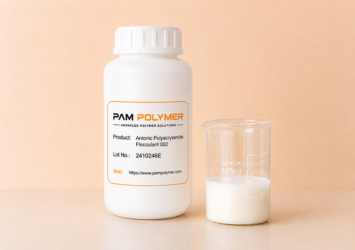


Polyacrylamide is divided into three types: anionic, cationic, and nonionic. Each type has different uses. Among them, in the field of wastewater treatment, anionic polyacrylamide is the most widely u… Polyacrylamide is divided into three types: anionic, cationic, and nonionic. Each type has different uses. Among them, in the field of wastewater treatment, anionic polyacrylamide is the most widely used. This article will guide you on the precautions and correct usage of anionic polyacrylamide during its use. Usage of Anionic Polyacrylamide When purchasing anionic polyacrylamide (PAM) for wastewater treatment, it’s essential for users to accept its drawbacks and avoid them, facilitating a transformation from negative to positive aspects based on their capability. To dissolve it, uniformly sprinkle the anionic polyacrylamide product into stirred water, keeping the stirring speed at 100~300rpm. When adding anionic polyacrylamide solution, accelerate its mixing with the liquid to be treated. Once flocs appear, reduce the stirring speed to promote floc growth and accelerate settling. Applying moderate heating (below 60%) can speed up dissolution. It is advisable to use a 0.1% concentration water solution, with neutral water free of saline impurities. Adjust the pH of the treated liquid
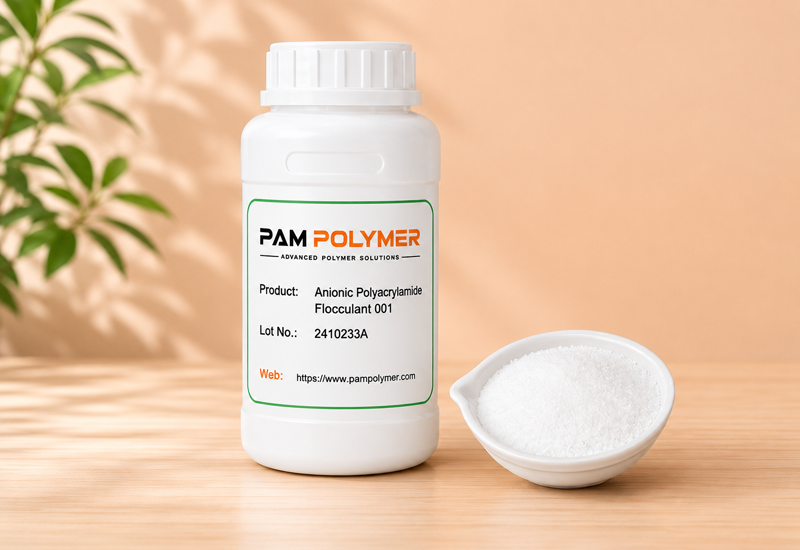
Grade: Slight anionic charge, high molecular weight
Main use: wastewater clarification and settling
Polyacrylamide is divided into three types: anionic, cationic, and nonionic. Each type has different uses. Among them, in the field of wastewater treatment, anionic polyacrylamide is the most widely u... Polyacrylamide is divided into three types: anionic, cationic, and nonionic. Each type has different uses. Among them, in the field of wastewater treatment, anionic polyacrylamide is the most widely used. This article will guide you on the precautions and correct usage of anionic polyacrylamide during its use. Usage of Anionic Polyacrylamide When purchasing anionic polyacrylamide (PAM) for wastewater treatment, it's essential for users to accept its drawbacks and avoid them, facilitating a transformation from negative to positive aspects based on their capability. To dissolve it, uniformly sprinkle the anionic polyacrylamide product into stirred water, keeping the stirring speed at 100~300rpm. When adding anionic polyacrylamide solution, accelerate its mixing with the liquid to be treated. Once flocs appear, reduce the stirring speed to promote floc growth and accelerate settling. Applying moderate heating (below 60%) can speed up dissolution. It is advisable to use a 0.1% concentration water solution, with neutral water free of saline impurities. Adjust the pH of the treated liquid to maximize the efficacy of the anionic polyacrylamide product. Precautions for Using Anionic Polyacrylamide While using it, note that granular anionic polyacrylamide flocculants cannot be directly added to the
| Product Category | Anionic Polyacrylamide Flocculant |
| Formula / Type | (C3H5NO)n anionic copolymer |
| CAS No. | 9003-05-8 |
| Grade | Slight anionic charge, high molecular weight |
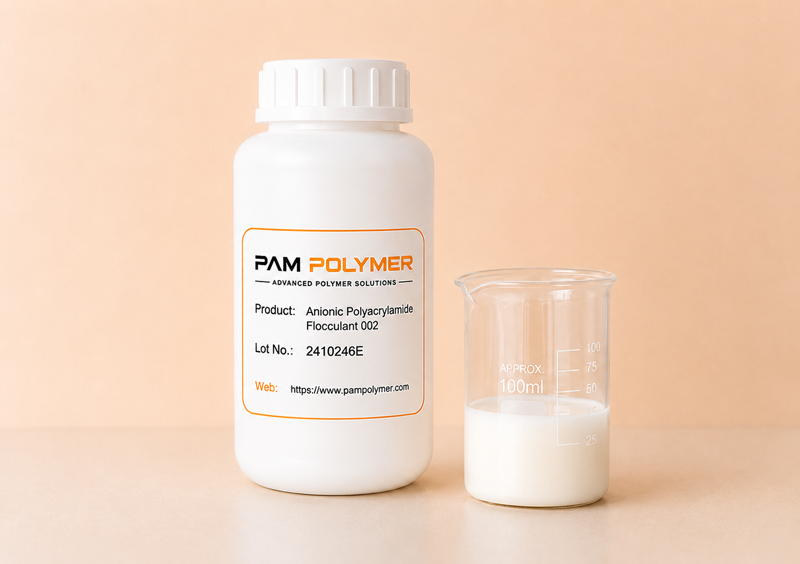
| Appearance | white powder or emulsion |
| Application | wastewater clarification and settling |
| Packaging | 25 kg bags, drums or IBC tanks |
Products | Product Code | Anionic Charge | Molecular Weight |
Anionic PAM Powder | PAMPolymer 9012 | Slight | Medium |
Anionic PAM Powder | PAMPolymer 9110 | Slight | High |
Anionic PAM Powder | PAMPolymer 9113 | Slight/Low | Medium |
Anionic PAM Powder | PAMPolymer 9115 | Low | Medium |
Anionic PAM Powder | PAMPolymer 9118 | Low | High |
Anionic PAM Powder | PAMPolymer 9214 | Medium | Medium |
Anionic PAM Powder | PAMPolymer 9216 | Medium | Medium |
Anionic PAM Powder | PAMPolymer 9218 | Medium | High |
Anionic PAM Powder | PAMPolymer 9219 | Medium | High |
Anionic PAM Powder | PAMPolymer 9220 | Medium | Very High |
Anionic PAM Powder | PAMPolymer 9221 | Medium | Very High |
Anionic PAM Powder | PAMPolymer 9224 | Medium | Ultra High |
Anionic PAM Powder | PAMPolymer 9226 | Medium | Ultra High |
Anionic PAM Powder | PAMPolymer 9316 | Medium | Medium |
Anionic PAM Powder | PAMPolymer 9318 | Medium | High |
Anionic PAM Powder | PAMPolymer 9320 | Medium | Very High |
Anionic PAM Powder | PAMPolymer 9326 | Medium | Ultra High |
Anionic PAM Powder | PAMPolymer 9418 | Medium | High |
Anionic PAM Powder | PAMPolymer 9426 | Medium | Ultra High |
Anionic PAM Powder | PAMPolymer 9518 | High | High |
Anionic PAM Emulsion | PAMPolymer 932 | Medium | High |
Anionic EPAM Oil-Free | PAMPolymer 939W | Medium | Low/Medium |
Polyacrylamide is divided into three types: anionic, cationic, and nonionic. Each type has different uses. Among them, in the field of wastewater treatment, anionic polyacrylamide is the most widely u...
Polyacrylamide is divided into three types: anionic, cationic, and nonionic. Each type has different uses. Among them, in the field of wastewater treatment, anionic polyacrylamide is the most widely used. This article will guide you on the precautions and correct usage of anionic polyacrylamide during its use.
When purchasing anionic polyacrylamide (PAM) for wastewater treatment, it's essential for users to accept its drawbacks and avoid them, facilitating a transformation from negative to positive aspects based on their capability. To dissolve it, uniformly sprinkle the anionic polyacrylamide product into stirred water, keeping the stirring speed at 100~300rpm. When adding anionic polyacrylamide solution, accelerate its mixing with the liquid to be treated. Once flocs appear, reduce the stirring speed to promote floc growth and accelerate settling. Applying moderate heating (<60%) can speed up dissolution. It is advisable to use a 0.1% concentration water solution, with neutral water free of saline impurities. Adjust the pH of the treated liquid to maximize the efficacy of the anionic polyacrylamide product.
While using it, note that granular anionic polyacrylamide flocculants cannot be directly added to the wastewater; they must be dissolved in water first to treat the wastewater. Moreover, the water used to dissolve the granular polymer should be clean (e.g., tap water), not wastewater. Typically, room temperature water suffices, and heating is generally unnecessary. Dissolution is slow at water temperatures below 5%, while higher temperatures will accelerate dissolution but temperatures above 40% may degrade the polymer and affect its performance. The recommended polymer solution concentration is 0.1-0.3%, meaning 1-3g anionic polyacrylamide powder per liter of water.
The price of anionic polyacrylamide used in industrial wastewater is reasonable and it's highly useful for treating suspended particles with high density, positive surface charges, and neutral or alkaline pH levels in water. It is especially effective for wastewater from steel plants, electroplating plants, metallurgy, and coal washing. This water treatment product has good solubility, high viscosity, strong toughness, is flammable without smoke, burns without peculiar odor, is non-toxic, and has stable performance. Unlike other plant gums and ordinary starches that may have inconsistent binding quality due to varying origins and times, this product mixes evenly with materials and water and does not harden over time, effectively saving energy and facilitating production operations.
Send your required grade, application, packaging, quantity and destination port. PAMPolymer will reply with product details and export pricing.



Polyacrylamide is divided into three types: anionic, cationic, and nonionic. Each type has different uses. Among them, in the field of wastewater treatment, anionic polyacrylamide is the most widely u… Polyacrylamide is divided into three types: anionic, cationic, and nonionic. Each type has different uses. Among them, in the field of wastewater treatment, anionic polyacrylamide is the most widely used. This article will guide you on the precautions and correct usage of anionic polyacrylamide during its use. Usage of Anionic Polyacrylamide When purchasing anionic polyacrylamide (PAM) for wastewater treatment, it’s essential for users to accept its drawbacks and avoid them, facilitating a transformation from negative to positive aspects based on their capability. To dissolve it, uniformly sprinkle the anionic polyacrylamide product into stirred water, keeping the stirring speed at 100~300rpm. When adding anionic polyacrylamide solution, accelerate its mixing with the liquid to be treated. Once flocs appear, reduce the stirring speed to promote floc growth and accelerate settling. Applying moderate heating (below 60%) can speed up dissolution. It is advisable to use a 0.1% concentration water solution, with neutral water free of saline impurities. Adjust the pH of the treated liquid to maximize the efficacy of the anionic polyacrylamide product. Precautions for Using Anionic Polyacrylamide While using it, note that granular anionic polyacrylamide flocculants cannot be directly added to the wastewater; they must be dissolved in water first to treat the wastewater. Moreover, the water used to dissolve the granular polymer should be clean (e.g., tap water), not wastewater. Typically, room temperature water suffices, and heating is generally unnecessary. Dissolution is slow at water temperatures below 5%, while higher temperatures will accelerate dissolution but temperatures above 40% may degrade the polymer and affect its performance. The recommended polymer solution concentration is 0.1-0.3%, meaning 1-3g anionic polyacrylamide powder per liter of water. Treatment of Wastewater with Anionic Polyacrylamide The price of anionic polyacrylamide used in industrial wastewater is reasonable and it’s highly