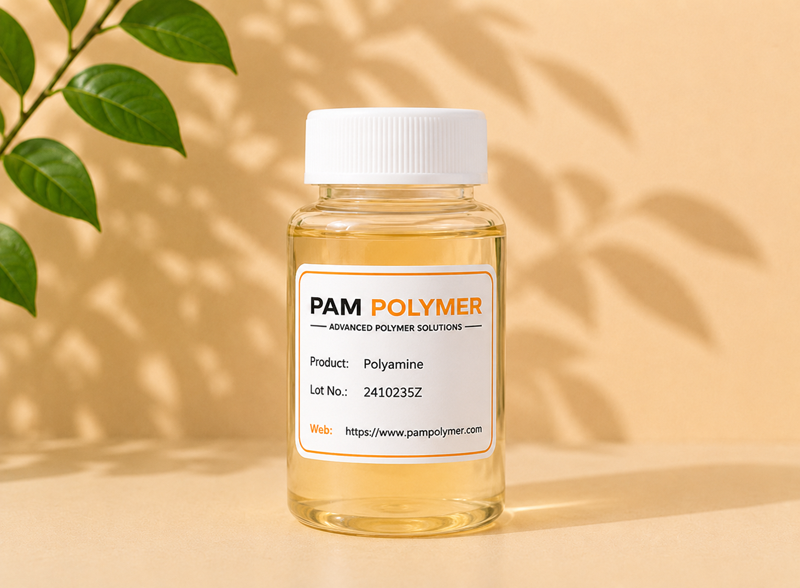


Polyamine 50% High Viscosity is a liquid cationic coagulant grade listed for evaluation in textile wastewater treatment and color removal. Textile effluent can vary with the dyes, process chemicals and production cycle, so performance should be assessed using representative samples. Confirm the supplied grade specification and viscosity test conditions when selecting dosing and mixing equipment. Compare trial results against the required outlet quality and the existing treatment programme. The high-viscosity designation alone does not establish a color-removal percentage or operating dosage.
Grade: 50% content, high viscosity
Main use: textile wastewater and color removal
Polyamine 50% High Viscosity is a liquid cationic coagulant grade listed for evaluation in textile wastewater treatment and color removal. Textile effluent can vary with the dyes, process chemicals and production cycle, so performance should be assessed using representative samples. Confirm the supplied grade specification and viscosity test conditions when selecting dosing and mixing equipment. Compare trial results against the required outlet quality and the existing treatment programme. The high-viscosity designation alone does not establish a color-removal percentage or operating dosage.
| Product Category | Polyamine |
| Formula / Type | Cationic polyamine polymer |
| CAS No. | Confirm against the supplied grade SDS |
| Grade | 50% content, high viscosity |
| Appearance | colorless to light-yellow liquid |
| Application | textile wastewater and color removal |
| Packaging | drums or IBC tanks |
Products | Content (%) | Viscosity |
Coagulants, Polyamine | 50% | Low, Medium, High |
Coagulants, Polyamine | 50% | Low, Medium, High |
This high-viscosity liquid polyamine grade is listed for evaluation in textile wastewater treatment and color removal. Its suitability should be assessed against the effluent and the proposed separation process.
Use the current specification and safety data sheet for the supplied grade when reviewing the product. The grade name alone does not establish a treatment dosage or color-removal percentage.
Record the sampling location and production conditions. Different dyeing batches, process chemicals and cleaning operations can change the wastewater presented to treatment, so a single sample may not represent the operating range.
Confirm how the stated viscosity is measured before selecting a pump or dilution arrangement. Obtain grade-specific handling guidance and assess compatibility with the equipment and other treatment chemicals.
Compare trials using a consistent mixing procedure and measurement stage. Where a programme includes another coagulant or a flocculant, evaluate the addition sequence as part of the trial. This wastewater-treatment application does not establish improved dye uptake or fabric color uniformity.
Measure the parameters relevant to the required outlet quality after the intended separation stage. A reduction in visible color does not by itself establish removal of all contaminants or compliance with discharge requirements.
Provide representative water analysis, flow rate, the current treatment arrangement and the intended discharge or reuse requirements. Include available trial results so the proposed product can be assessed against the actual process.
Evaluate chemical consumption, residuals handling and any downstream effects using trial and plant data. Confirm the requirements for the complete treatment process before making water-reuse, compliance or cost-saving claims.
Send your required grade, application, packaging, quantity and destination port. PAMPolymer will reply with product details and export pricing.



Polyamine 50% High Viscosity is listed for evaluating textile wastewater treatment and color removal. Assess the product on the effluent to be treated, rather than treating its coagulant function as a dyeing or fabric-finishing claim. Use samples that reflect the relevant dyes, process chemicals and production cycles, and record the sampling point. Confirm the supplied grade specification and viscosity test conditions before selecting dosing equipment. Compare dosages under consistent mixing and separation conditions, including the proposed addition sequence where other treatment chemicals are used. Measure results against the required outlet quality; visual clarity alone does not establish removal of all dissolved contaminants. Any discharge or water-reuse decision should consider the complete treatment process and the applicable requirements. Provide representative water analysis, flow rate, existing treatment stages and the intended outlet quality when requesting a grade recommendation. Treatment dosage, color-removal performance and operating costs require trial or plant evidence.