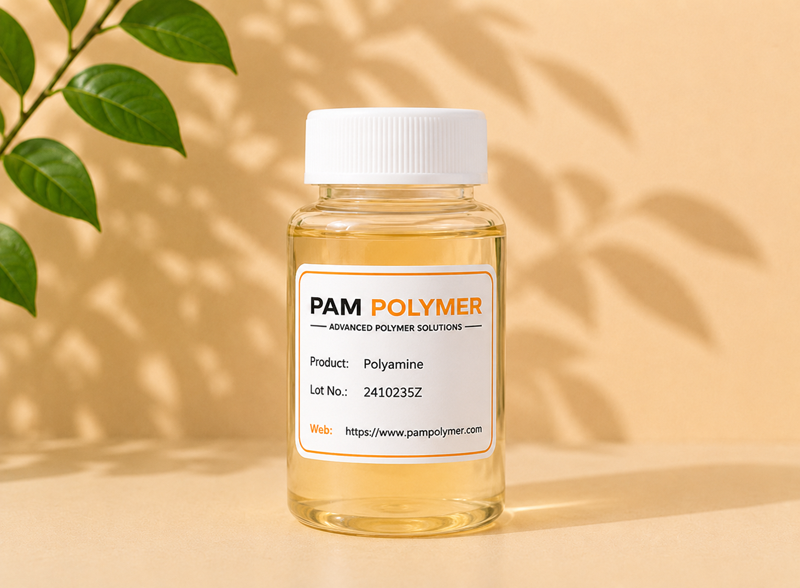


Polyamine 50% Medium Viscosity is a liquid cationic coagulant grade listed for municipal water-treatment evaluation. Product selection should account for the source-water conditions, existing treatment stages and required water quality. Confirm the supplied grade specification, viscosity test conditions and any application-specific approvals before selection. Evaluate the product with representative water samples and the intended separation process. For potable-water applications, confirm the applicable product approval requirements; the coagulant grade designation alone does not establish drinking-water certification or disinfection performance.
Grade: 50% content, medium viscosity
Main use: municipal water purification
Polyamine 50% Medium Viscosity is a liquid cationic coagulant grade listed for municipal water-treatment evaluation. Product selection should account for the source-water conditions, existing treatment stages and required water quality. Confirm the supplied grade specification, viscosity test conditions and any application-specific approvals before selection. Evaluate the product with representative water samples and the intended separation process. For potable-water applications, confirm the applicable product approval requirements; the coagulant grade designation alone does not establish drinking-water certification or disinfection performance.
| Product Category | Polyamine |
| Formula / Type | Cationic polyamine polymer |
| CAS No. | Confirm against the supplied grade SDS |
| Grade | 50% content, medium viscosity |
| Appearance | colorless to light-yellow liquid |
| Application | municipal water purification |
| Packaging | drums or IBC tanks |
Products | Content (%) | Viscosity |
Coagulants, Polyamine | 50% | Low, Medium, High |
Coagulants, Polyamine | 50% | Low, Medium, High |
Polyamine 50% Medium Viscosity is a liquid cationic coagulant grade listed for municipal water-treatment evaluation. Selection requires the supplied product specification and a review of the intended treatment stage.
Municipal source water and process arrangements vary. Use representative samples to assess this grade within the proposed treatment programme before establishing an operating dosage.
Product Specification and Test Conditions
Review the specification for the supplied grade, including the conditions used to measure viscosity. A medium-viscosity designation alone does not define pump settings, dilution requirements or treatment performance.
The Coagulation Stage
Cationic coagulants can help destabilize negatively charged particles. The result depends on the water and treatment conditions; coagulation alone does not establish disinfection performance.
Compatibility with the Treatment Programme
If an inorganic coagulant or a separate flocculant is already used, assess compatibility and the order of addition. Keep the mixing procedure consistent when comparing trials.
Separation Performance
Evaluate the intended separation stage, such as settling or filtration, using relevant measurements. Confirm performance under the actual process conditions instead of assuming longer filter life or reduced maintenance.
Water Quality Requirements
Define the required outlet quality and measure the relevant parameters. For drinking-water use, confirm applicable product approvals and the requirements for the complete treatment process; this page does not establish drinking-water certification.
Operating Cost Assessment
Compare chemical consumption and operating costs using trial and plant data. Include any changes to mixing, filtration and residuals handling rather than assuming that a coagulant change will reduce total costs.
Residuals and Disposal
Consider the treatment residuals and the existing disposal route when assessing the proposed programme. Environmental outcomes require evaluation of the complete process.
Record the source-water conditions, dosage, addition sequence and measurement stage during trials. Where source water varies, include samples representative of the expected operating range.
For a product enquiry, provide water analysis, flow rate, existing treatment stages and the required outlet quality. Request the current product specification and safety data sheet for the supplied grade.
Send your required grade, application, packaging, quantity and destination port. PAMPolymer will reply with product details and export pricing.



Polyamine 50% Medium Viscosity is a liquid cationic coagulant grade for evaluating a defined water-treatment stage. Review the supplied product specification and viscosity test conditions before selecting dosing equipment. For municipal applications, use representative source-water samples to compare clarification results within the existing treatment process. Keep mixing conditions and the measurement stage consistent when comparing dosages. Where the programme includes an inorganic coagulant or a flocculant, evaluate compatibility and the addition sequence. Confirm any product approvals required for the intended use, particularly when the treated water is intended for drinking. Coagulant selection alone does not establish disinfection performance or compliance of the complete water supply. Assess chemical consumption and operating costs from the actual trials and plant conditions. Send water analysis, flow rate, the required outlet quality and existing treatment details with an enquiry so the proposed grade can be assessed against the process requirements.