
DABC Monomer Application
DABC Monomer Supply
DADMAC Monomer Supply
DADMAC Monomer Application
DABC Monomer Application DABC Monomer Supply DADMAC Monomer Supply DADMAC Monomer Application

Polyamine 50% High Viscosity

In the dynamic landscape of textile manufacturing, the pursuit of sustainability has become a paramount objective. As the industry grapples with the environmental impact of its processes, innovations … In the dynamic landscape of textile manufacturing, the pursuit of sustainability has become a paramount objective. As the industry grapples with the environmental impact of its processes, innovations such as polyamine water treatment are emerging as game-changers. This blog explores the transformative role of polyamine water treatment in revolutionizing textile manufacturing, paving the way for a more sustainable and environmentally conscious future. The Water Challenge in Textile Manufacturing Textile manufacturing is notorious for its intensive water usage and the generation of wastewater laden with pollutants. Addressing this challenge is crucial for the industry to align with global sustainability goals. Polyamine water treatment steps in as a powerful ally, offering a sustainable solution to minimize water consumption and reduce the environmental footprint of textile production. Polyamine Purity At the core of polyamine water treatment lies its ability to purify water effectively. In textile manufacturing, where water quality directly impacts the dyeing and finishing processes, the use of polyamines ensures the removal of

  1. Category: Polyamine
  2. Formula / Type: Cationic polyamine polymer
  3. CAS No.: Polymer blend
  4. Grade: 50% content, high viscosity
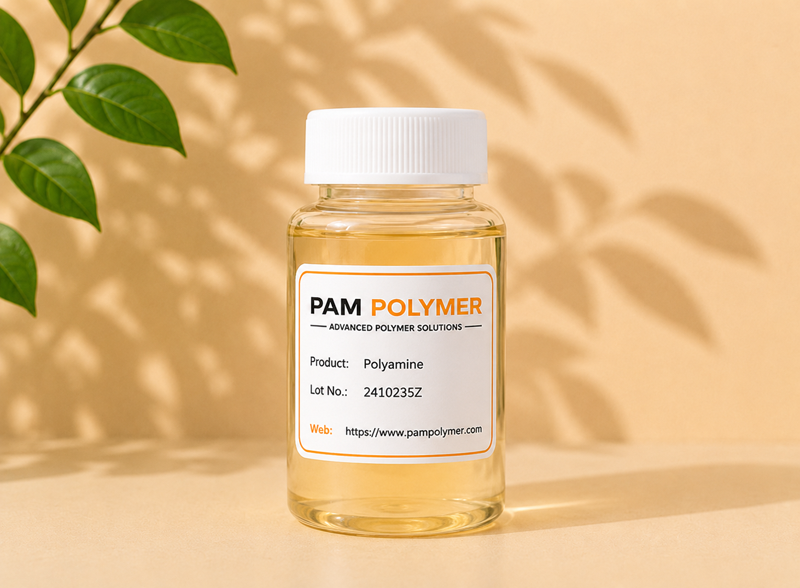
  5. Appearance: colorless to light-yellow liquid
  6. Application: textile wastewater and color removal
  7. Package: drums or IBC tanks
Description
Technical Data
More Details
Contact Us Now
Description

Polyamine 50% High Viscosity

Grade: 50% content, high viscosity

Main use: textile wastewater and color removal

In the dynamic landscape of textile manufacturing, the pursuit of sustainability has become a paramount objective. As the industry grapples with the environmental impact of its processes, innovations ... In the dynamic landscape of textile manufacturing, the pursuit of sustainability has become a paramount objective. As the industry grapples with the environmental impact of its processes, innovations such as polyamine water treatment are emerging as game-changers. This blog explores the transformative role of polyamine water treatment in revolutionizing textile manufacturing, paving the way for a more sustainable and environmentally conscious future. The Water Challenge in Textile Manufacturing Textile manufacturing is notorious for its intensive water usage and the generation of wastewater laden with pollutants. Addressing this challenge is crucial for the industry to align with global sustainability goals. Polyamine water treatment steps in as a powerful ally, offering a sustainable solution to minimize water consumption and reduce the environmental footprint of textile production. Polyamine Purity At the core of polyamine water treatment lies its ability to purify water effectively. In textile manufacturing, where water quality directly impacts the dyeing and finishing processes, the use of polyamines ensures the removal of impurities and contaminants. This not only enhances the quality of the finished products but also contributes to the responsible use of water resources. Efficient Dyeing with Reduced Environmental Impact

Technical Data

Polyamine 50% High Viscosity Technical Data

Product CategoryPolyamine
Formula / TypeCationic polyamine polymer
CAS No.Polymer blend
Grade50% content, high viscosity
Appearancecolorless to light-yellow liquid
Applicationtextile wastewater and color removal
Packagingdrums or IBC tanks

Products

Content (%)

Viscosity

Coagulants, Polyamine

50%

Low, Medium, High

Coagulants, Polyamine

50%

Low, Medium, High

More Details

Polyamine 50% High Viscosity Applications and Product Information

In the dynamic landscape of textile manufacturing, the pursuit of sustainability has become a paramount objective. As the industry grapples with the environmental impact of its processes, innovations ...

In the dynamic landscape of textile manufacturing, the pursuit of sustainability has become a paramount objective. As the industry grapples with the environmental impact of its processes, innovations such as polyamine water treatment are emerging as game-changers. This blog explores the transformative role of polyamine water treatment in revolutionizing textile manufacturing, paving the way for a more sustainable and environmentally conscious future.


The Water Challenge in Textile Manufacturing


Textile manufacturing is notorious for its intensive water usage and the generation of wastewater laden with pollutants. Addressing this challenge is crucial for the industry to align with global sustainability goals. Polyamine water treatment steps in as a powerful ally, offering a sustainable solution to minimize water consumption and reduce the environmental footprint of textile production.


Polyamine Purity


At the core of polyamine water treatment lies its ability to purify water effectively. In textile manufacturing, where water quality directly impacts the dyeing and finishing processes, the use of polyamines ensures the removal of impurities and contaminants. This not only enhances the quality of the finished products but also contributes to the responsible use of water resources.


Efficient Dyeing with Reduced Environmental Impact


Dyeing is a central process in textile manufacturing, and it often involves significant water and chemical usage. Polyamine water treatment optimizes the dyeing process, allowing for more efficient and uniform color absorption. By reducing the need for excessive water and chemicals, polyamines contribute to a more sustainable and eco-friendly dyeing process.


Minimizing Wastewater Pollution


One of the most pressing concerns in textile manufacturing is the discharge of wastewater containing harmful pollutants. Polyamine water treatment acts as a guardian against environmental degradation by effectively treating and purifying wastewater. This not only ensures compliance with environmental regulations but also minimizes the negative impact on local ecosystems.


Beyond Compliance: A Commitment to Corporate Social Responsibility


In an era where consumers are increasingly conscious of the environmental practices of the brands they support, adopting sustainable solutions is not just a choice; it's a business imperative. Polyamine water treatment allows textile manufacturers to align with corporate social responsibility goals, demonstrating a commitment to sustainable practices that resonate with environmentally conscious consumers.


In conclusion, the integration of polyamine water treatment into textile manufacturing processes represents a significant leap towards sustainability. From reducing water consumption to minimizing pollution, polyamines are proving to be indispensable in the industry's journey towards more responsible and eco-friendly practices. As textile manufacturers continue to embrace sustainable solutions, the adoption of polyamine water treatment stands out as a beacon of hope for a greener and more sustainable future in the world of textiles.


Contact Us Now

Request a Polyamine 50% High Viscosity Quote

Send your required grade, application, packaging, quantity and destination port. PAMPolymer will reply with product details and export pricing.


Full Polyamine 50% High Viscosity Support

Technical Support

Email Support

Polyamine Solutions

Local team support on Polyamine 50% High Viscosity

Polyamine 50% High Viscosity

In the dynamic landscape of textile manufacturing, the pursuit of sustainability has become a paramount objective. As the industry grapples with the environmental impact of its processes, innovations … In the dynamic landscape of textile manufacturing, the pursuit of sustainability has become a paramount objective. As the industry grapples with the environmental impact of its processes, innovations such as polyamine water treatment are emerging as game-changers. This blog explores the transformative role of polyamine water treatment in revolutionizing textile manufacturing, paving the way for a more sustainable and environmentally conscious future. The Water Challenge in Textile Manufacturing Textile manufacturing is notorious for its intensive water usage and the generation of wastewater laden with pollutants. Addressing this challenge is crucial for the industry to align with global sustainability goals. Polyamine water treatment steps in as a powerful ally, offering a sustainable solution to minimize water consumption and reduce the environmental footprint of textile production. Polyamine Purity At the core of polyamine water treatment lies its ability to purify water effectively. In textile manufacturing, where water quality directly impacts the dyeing and finishing processes, the use of polyamines ensures the removal of impurities and contaminants. This not only enhances the quality of the finished products but also contributes to the responsible use of water resources. Efficient Dyeing with Reduced Environmental Impact Dyeing is a central process in textile manufacturing, and it often involves significant water and chemical usage. Polyamine water treatment optimizes the dyeing process, allowing for more efficient and uniform color absorption. By reducing the need for excessive water and chemicals, polyamines contribute to a more sustainable and eco-friendly dyeing process. Minimizing Wastewater Pollution One of the most pressing concerns in textile manufacturing is the discharge of wastewater containing harmful pollutants. Polyamine water treatment acts as a guardian against environmental degradation by effectively treating and purifying wastewater. This not only ensures compliance with environmental regulations but also minimizes the negative impact