Oil & Gas Polymer Applications

Polyacrylamide Solutions for Oilfield Production, Drilling and Water Management

PAMPolymer Solutions for Oil & Gas Operations

PAMPolymer supplies application-focused polymers for upstream oil and gas operations, including friction reducers, fracturing fluid additives, enhanced oil recovery polymers, drilling fluid additives, oil sands flocculants, wastewater treatment products and guar gum replacement solutions. Product selection is based on formation conditions, salinity, temperature, mixing equipment, injection rate, water chemistry and the required balance between viscosity, friction reduction and separation performance.

In hydraulic fracturing, properly selected polyacrylamide can reduce pressure loss and support efficient pumping at high flow rates. In polymer flooding and enhanced oil recovery, high-molecular-weight polymers improve mobility control and increase sweep efficiency. During drilling, polymer additives assist with rheology control, fluid-loss management, cuttings transport and borehole stability. For produced water, flowback water and oil sands tailings, flocculants support solid-liquid separation, clarification, dewatering and water reuse.

PAMPolymer provides dry powder, emulsion and liquid polymer options with export packaging, technical documents and application guidance. Share your brine composition, operating temperature, target viscosity, dosing system and performance objective so our team can recommend a suitable oilfield polymer grade and practical trial procedure.
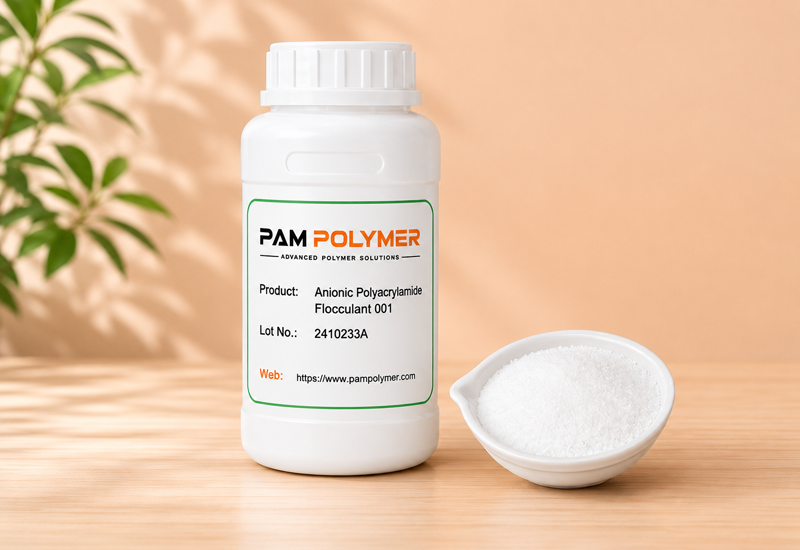
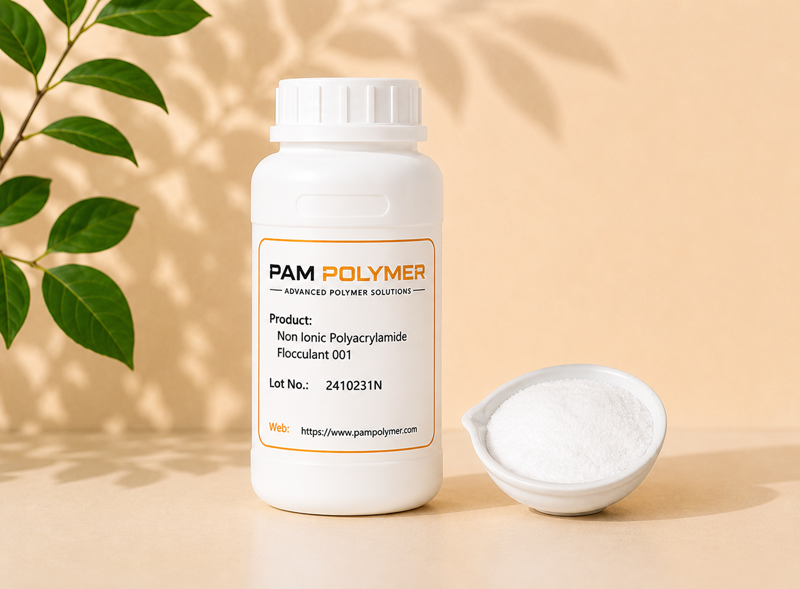
Anionic Polyacrylamide Flocculant Product

Friction Reducer

Anionic PAM Powder and Emulsion Product

Fracturing Fluid Additive

PAMPolymer Anionic PAM Powder Product

Enhanced Oil Recovery

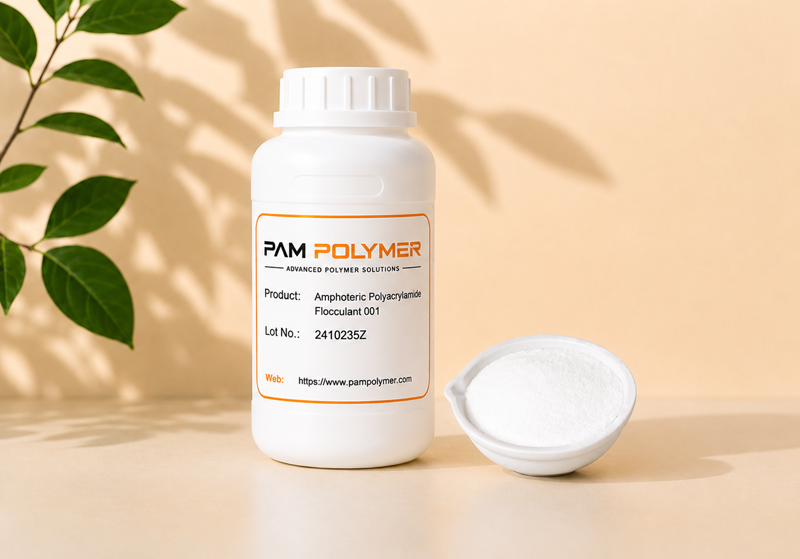
Amphoteric Polyacrylamide Flocculant Product

Drilling Fluid Additive

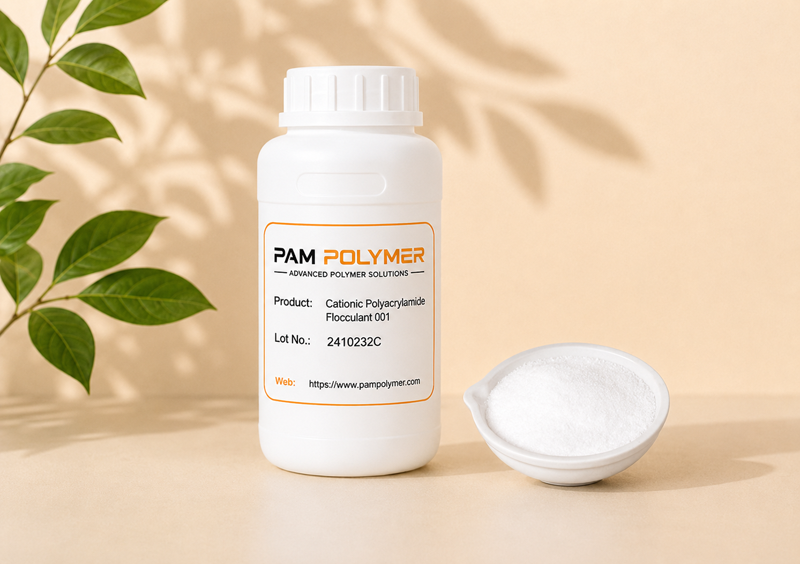
Cationic Polyacrylamide Flocculant Product

Oil Sands Flocculant

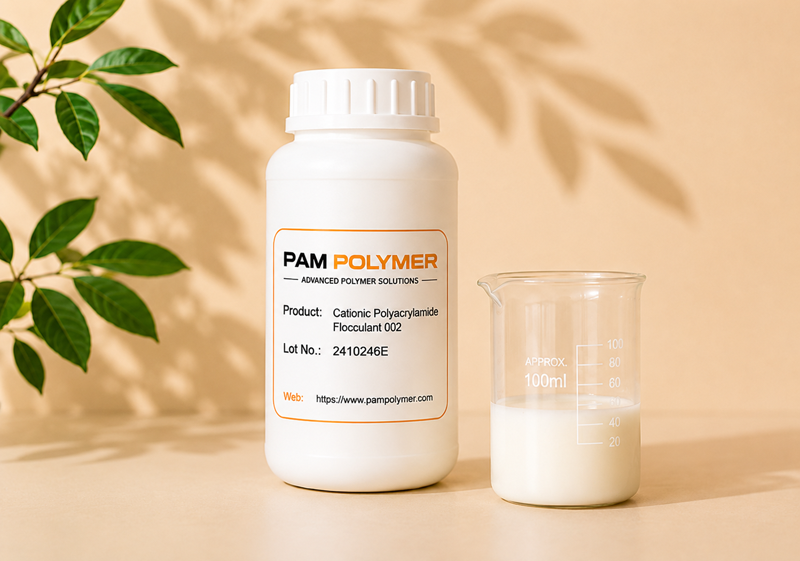
Cationic PAM Powder Product

Wastewater Treatment & Guar Replacement

Reliable Oilfield Polymer Supply for International Projects

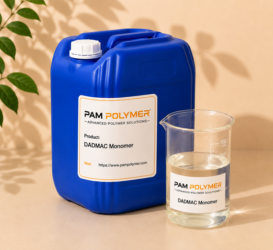
DABC Monomer Application

Application-Matched Polymers for Oil, Gas and Produced Water

Why Oil & Gas Operators Use PAMPolymer

  • Polymer grades selected for fresh water, brine and high-salinity systems.
  • Dry powder and emulsion options for different mixing and dosing equipment.
  • Solutions for friction reduction, viscosity control and mobility control.
  • Flocculants for produced water, flowback water and oil sands tailings.
  • Technical support for laboratory screening and field trial planning.
  • Export packaging, batch documents and shipment coordination.

Be an Expert When Importing PAM Polymer Polyacrylamide

Check Our Latest News and Articles.

Why Use Cationic Polyacrylamide During Sludge Dewatering | PAM Polymer Guide

Why Use Cationic Polyacrylamide During Sludge Dewatering guide covering polymer type, dosage, uses, advantages, limitations, storage and quotation.

Why Choose As Many Models As Possible For Polyacrylamide | PAM Polymer Guide

Why Choose As Many Models As Possible For Polyacrylamide guide covering polymer type, dosage, uses, advantages, limitations, storage and quotation.

What Should Be Paid Attention To When Using Polyacrylamide In Summer | PAM Polymer Guide

What Should Be Paid Attention To When Using Polyacrylamide In Summer guide covering polymer type, dosage, uses, advantages, limitations, storage and quotation.

What Should Be Paid Attention To When Dissolving Anionic Polyacrylamide | PAM Polymer Guide

What Should Be Paid Attention To When Dissolving Anionic Polyacrylamide guide covering polymer type, dosage, uses, advantages, limitations, storage and quotation.

What Materials Are Used To Synthesize Polyacrylamide | PAM Polymer Guide

What Materials Are Used To Synthesize Polyacrylamide guide covering polymer type, dosage, uses, advantages, limitations, storage and quotation.

What Is The Solid Content Of The Drilling Mud | PAM Polymer Guide

What Is The Solid Content Of The Drilling Mud guide covering polymer type, dosage, uses, advantages, limitations, storage and quotation.

Get Oil & Gas Polymer Technical Updates from PAMPolymer

Listen to What Our Clients Say About
Our PAM Polymer Polyacrylamide

John T.

E-commerce Business Owner

“We have been importing polyacrylamide products from PAM Polymer for more than two years. The product quality is very stable, and the dissolution speed is excellent for our wastewater treatment systems. Their technical team always provides quick support and professional suggestions. PAM Polymer is now one of our most trusted suppliers in China.”

Sarah L.

Retail Store Manager

“PAM Polymer supplied us with anionic polyacrylamide for mining and mineral processing applications. The flocculation performance is very impressive, helping us improve sedimentation efficiency and reduce operating costs. Delivery time was fast, packaging was professional, and the pricing was competitive.”

David R.

Supply Chain Manager

“We tested several PAM manufacturers before choosing PAM Polymer as our long-term supplier. Their cationic PAM products performed better in sludge dewatering compared with other Chinese suppliers. The factory communication is smooth, quotations are clear, and export documents are always prepared correctly.”

Lisa M.

Product Development Lead

“PAM Polymer helped us customize polyacrylamide formulations for paper manufacturing applications. The viscosity and purity met our exact requirements, and the technical support during production trials was very helpful. We appreciate their stable quality, wholesale pricing, and reliable international shipping service.”

Oil & Gas Polymer Application FAQs

Which polymers are used in oil and gas operations?

Oil and gas operations use anionic, cationic, nonionic and specially modified polymers. Typical duties include friction reduction, fracturing-fluid viscosity, polymer flooding, drilling-fluid rheology, oil sands tailings treatment, produced-water clarification and sludge dewatering.

How does a friction reducer improve hydraulic fracturing?

A friction reducer lowers turbulent drag as water moves through pipes and well tubulars. This can reduce pumping pressure and help achieve the required flow rate. Fast hydration, brine tolerance and compatibility with other additives are important selection factors.

What is the role of polymer in fracturing fluid?

Polymers can adjust fluid viscosity, support proppant transport and improve fluid stability. The correct product depends on formation temperature, water chemistry, shear, desired break behavior and the complete fracturing-fluid formulation.

How does polymer flooding support enhanced oil recovery?

Polymer flooding raises the viscosity of injected water and improves the water-to-oil mobility ratio. Better mobility control can increase sweep efficiency and reduce channeling, helping displace more oil from the reservoir.

Can PAMPolymer products be used in high-salinity brine?

Yes, candidate grades can be screened for brine conditions. Salinity, calcium, magnesium, temperature and required viscosity should be provided because these variables strongly affect polymer hydration and long-term performance.

What information is needed to select an oilfield polymer?

Please provide the application, water analysis, operating temperature, target viscosity or friction reduction, dosing equipment, required make-down time, trial volume and expected monthly consumption.

How are polymers used in drilling fluids?

Drilling-fluid polymers may control rheology, improve cuttings transport, reduce filtration and help stabilize the borehole. Product choice must match the mud system, contaminants, temperature and solids-control program.

How do flocculants help oil sands operations?

Flocculants bridge fine suspended particles into larger flocs, accelerating settling and improving clarification. This supports tailings management, water recovery and downstream dewatering when the grade and dosage are correctly selected.

Can polymer treat produced water and flowback water?

Polymer flocculants can assist in removing suspended solids and conditioning sludge. The treatment program may also require pH adjustment, coagulants, oil-water separation and filtration, so jar testing with representative water is recommended.

Can synthetic polymer replace guar gum?

In suitable formulations, synthetic polymers can provide consistent hydration, viscosity and supply stability as a partial or complete guar alternative. Compatibility and break performance should be confirmed through laboratory and field testing.

How can I request an oil and gas polymer quotation?

Send the application, specification, water analysis, packaging preference, quantity and destination port. PAMPolymer will review the requirements and respond with candidate grades, technical documents and export pricing.

Welcome to Visit Our Factory Anytime