Sugar Making Polymer Applications

Flocculants for Cane Juice Clarification, Mud Settling and Sugar Refining

PAMPolymer Solutions for Sugar Making

PAMPolymer flocculants support sugar making from cane juice extraction through clarification and refining. Mixed juice contains bagasse fines, soil, proteins, waxes and other suspended or colloidal impurities. After heating and liming, a suitable anionic polymer promotes rapid mud formation and settling so clear juice can overflow to evaporation and crystallization.

Clarification performance affects color, turbidity, sucrose recovery, evaporator cleanliness and final sugar quality. Polymer charge and molecular weight must match juice chemistry, lime treatment, temperature, pH and clarifier design. Correct preparation and gentle distribution are important because under-dosing leaves fine solids suspended while excessive dosing can create weak flocs, high cost or downstream carryover.

PAMPolymer can screen candidate grades using representative mixed juice and mud. Provide cane or beet source, clarification process, juice temperature, pH, brix, current settling time and desired turbidity. Laboratory settling tests followed by a short factory trial help establish the optimum product, dilution and dosing point for stable seasonal operation.
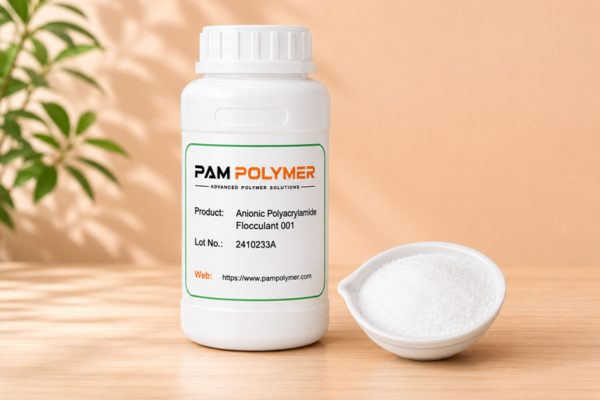
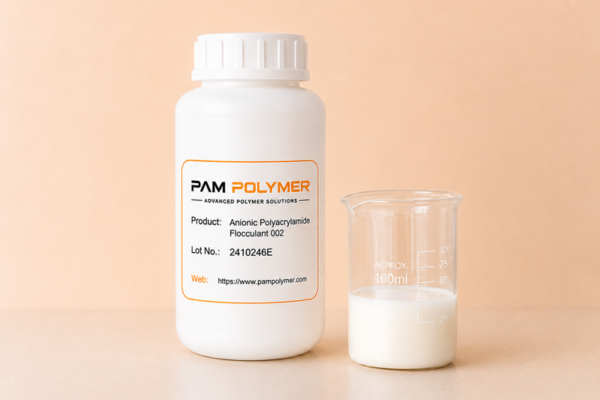
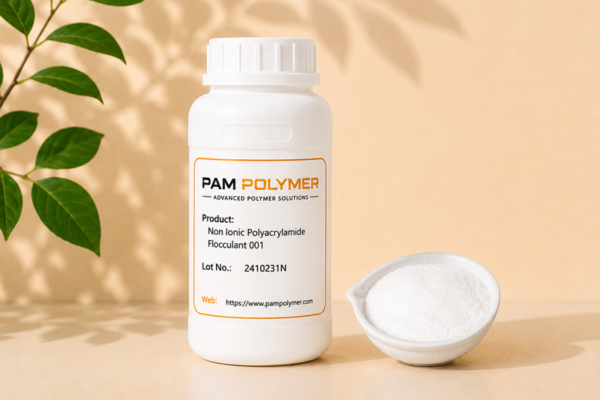
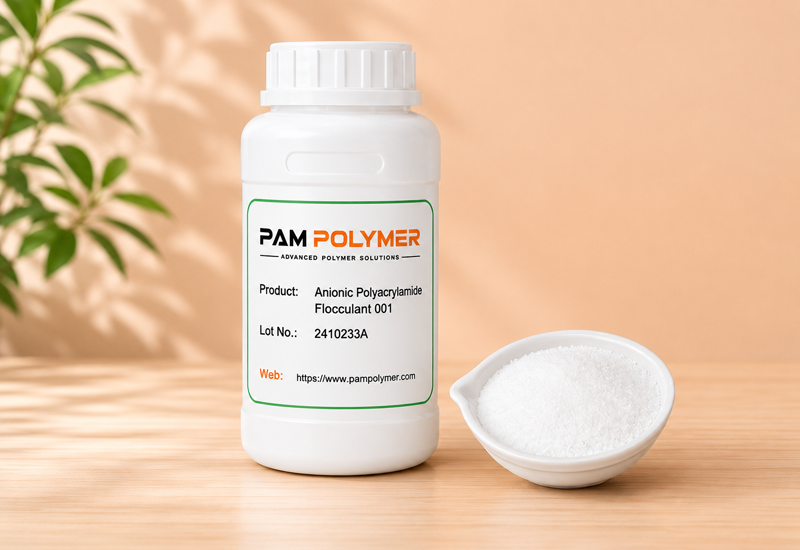
Anionic Polyacrylamide Flocculant Product

Cane Juice Clarification

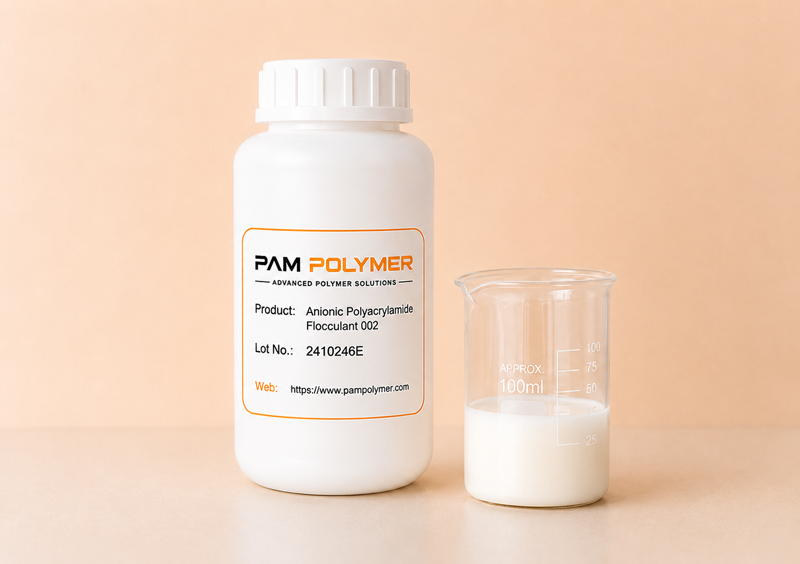
Anionic PAM Powder and Emulsion Product

Sugar Refining Process

PAMPolymer Anionic PAM Powder Product

Clarifier Mud Settling

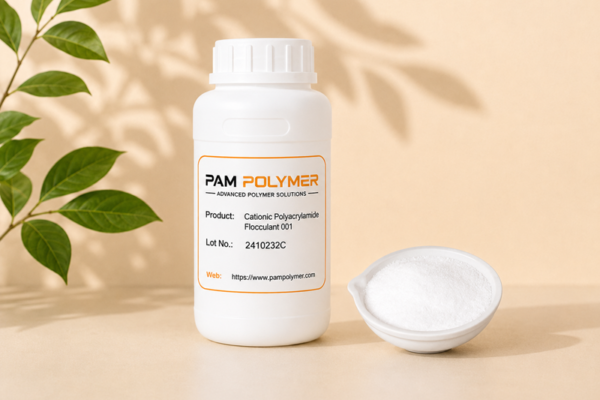
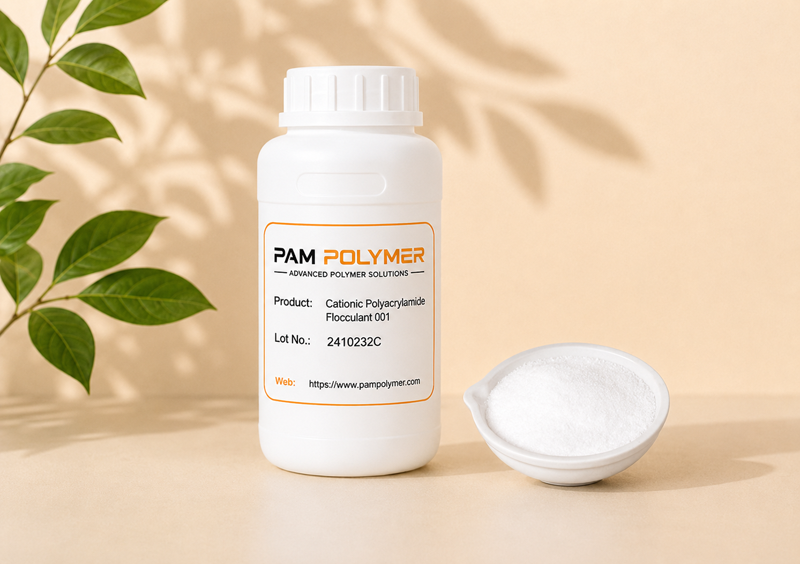
Cationic Polyacrylamide Flocculant Product

Mud Filtration Support

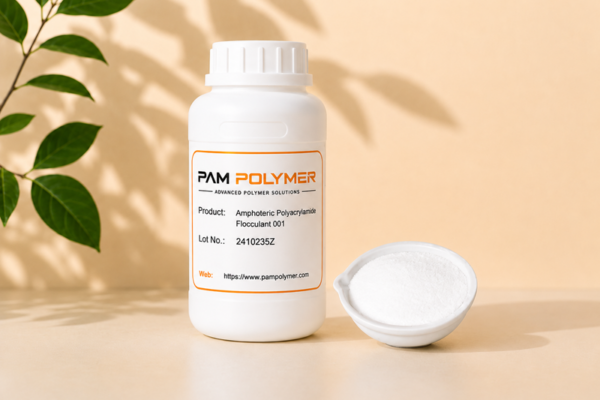
Amphoteric Polyacrylamide Flocculant Product

Evaporation Feed Clarity

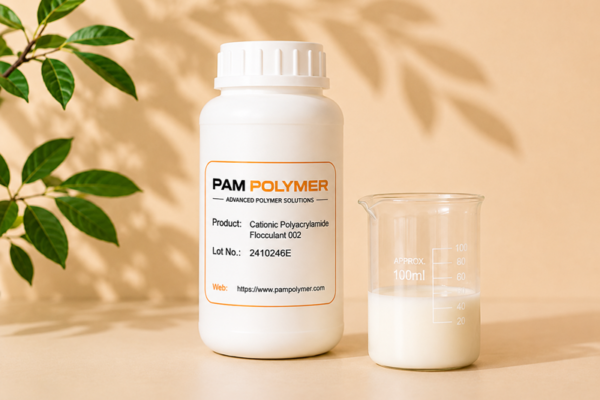
Cationic PAM Powder Product

Sugar Process Water Treatment

Reliable Sugar Making Polymer Supply for International Projects

Anionic Polyacrylamide Flocculant Product

Application-Matched Polymers for Sugar Making

Why Choose PAMPolymer for Sugar Making

  • Application-specific charge and molecular-weight options.
  • Dry powder, emulsion or liquid products where appropriate.
  • Laboratory screening and controlled trial recommendations.
  • Technical documents and batch quality support.
  • Export packaging and international shipment coordination.
  • Responsive product-selection support from PAMPolymer.

Be an Expert When Importing PAM Polymer Polyacrylamide

Check Our Latest News and Articles.

Why Use Cationic Polyacrylamide During Sludge Dewatering | PAM Polymer Guide

Why Use Cationic Polyacrylamide During Sludge Dewatering guide covering polymer type, dosage, uses, advantages, limitations, storage and quotation.

Why Choose As Many Models As Possible For Polyacrylamide | PAM Polymer Guide

Why Choose As Many Models As Possible For Polyacrylamide guide covering polymer type, dosage, uses, advantages, limitations, storage and quotation.

What Should Be Paid Attention To When Using Polyacrylamide In Summer | PAM Polymer Guide

What Should Be Paid Attention To When Using Polyacrylamide In Summer guide covering polymer type, dosage, uses, advantages, limitations, storage and quotation.

What Should Be Paid Attention To When Dissolving Anionic Polyacrylamide | PAM Polymer Guide

What Should Be Paid Attention To When Dissolving Anionic Polyacrylamide guide covering polymer type, dosage, uses, advantages, limitations, storage and quotation.

What Materials Are Used To Synthesize Polyacrylamide | PAM Polymer Guide

What Materials Are Used To Synthesize Polyacrylamide guide covering polymer type, dosage, uses, advantages, limitations, storage and quotation.

What Is The Solid Content Of The Drilling Mud | PAM Polymer Guide

What Is The Solid Content Of The Drilling Mud guide covering polymer type, dosage, uses, advantages, limitations, storage and quotation.

Get Sugar Making Polymer Technical Updates from PAMPolymer

Listen to What Our Clients Say About
Our PAM Polymer Polyacrylamide

John T.

E-commerce Business Owner

“We have been importing polyacrylamide products from PAM Polymer for more than two years. The product quality is very stable, and the dissolution speed is excellent for our wastewater treatment systems. Their technical team always provides quick support and professional suggestions. PAM Polymer is now one of our most trusted suppliers in China.”

Sarah L.

Retail Store Manager

“PAM Polymer supplied us with anionic polyacrylamide for mining and mineral processing applications. The flocculation performance is very impressive, helping us improve sedimentation efficiency and reduce operating costs. Delivery time was fast, packaging was professional, and the pricing was competitive.”

David R.

Supply Chain Manager

“We tested several PAM manufacturers before choosing PAM Polymer as our long-term supplier. Their cationic PAM products performed better in sludge dewatering compared with other Chinese suppliers. The factory communication is smooth, quotations are clear, and export documents are always prepared correctly.”

Lisa M.

Product Development Lead

“PAM Polymer helped us customize polyacrylamide formulations for paper manufacturing applications. The viscosity and purity met our exact requirements, and the technical support during production trials was very helpful. We appreciate their stable quality, wholesale pricing, and reliable international shipping service.”

Sugar Making Polymer Application FAQs

What are polymers used for in Sugar Making applications?

PAMPolymer products support the principal Sugar Making operations shown on this page. Selection depends on raw materials, water chemistry, solids, pH, temperature, equipment and the required separation, viscosity or water-management result. A representative sample and process data are needed before a grade is finalized.

How are polymers used in Cane Juice Clarification?

Anionic flocculants aggregate fine impurities after heating and liming, producing faster mud settling and clearer juice for evaporation. PAMPolymer recommends laboratory screening and a controlled operating trial to confirm product compatibility, dosage and the achievable performance under actual Sugar Making conditions.

How are polymers used in Sugar Refining Process?

Polymer treatment assists the removal of suspended solids and residual impurities during refining, supporting transparent liquor and consistent product quality. PAMPolymer recommends laboratory screening and a controlled operating trial to confirm product compatibility, dosage and the achievable performance under actual Sugar Making conditions.

How are polymers used in Clarifier Mud Settling?

Strong, rapidly settling flocs improve clarifier throughput, reduce turbidity in the overflow and concentrate mud for filtration or disposal. PAMPolymer recommends laboratory screening and a controlled operating trial to confirm product compatibility, dosage and the achievable performance under actual Sugar Making conditions.

How are polymers used in Mud Filtration Support?

Conditioning the clarifier underflow can improve drainage and filtrate recovery where rotary vacuum filters or other mud filtration systems are used. PAMPolymer recommends laboratory screening and a controlled operating trial to confirm product compatibility, dosage and the achievable performance under actual Sugar Making conditions.

How are polymers used in Evaporation Feed Clarity?

Lower suspended solids in clarified juice help protect evaporator heat-transfer surfaces and support stable concentration before crystallization. PAMPolymer recommends laboratory screening and a controlled operating trial to confirm product compatibility, dosage and the achievable performance under actual Sugar Making conditions.

How are polymers used in Sugar Process Water Treatment?

Flocculants and coagulants clarify wash water and factory wastewater, enabling solids removal, sludge dewatering and potential water reuse. PAMPolymer recommends laboratory screening and a controlled operating trial to confirm product compatibility, dosage and the achievable performance under actual Sugar Making conditions.

How should a Sugar Making polymer grade be selected?

Provide the process stage, sample analysis, pH, temperature, salinity, solids concentration, existing treatment chemicals, equipment and performance target. PAMPolymer compares charge, molecular weight, product form and preparation requirements before recommending candidate grades.

How is polymer dosage determined for Sugar Making?

Dosage is determined by laboratory testing followed by a controlled plant or field trial. Start with several candidate grades and a practical dosage range, then compare settling, filtration, viscosity, clarity, water release, product quality and total treatment cost.

How should Sugar Making polymer be prepared and handled?

Use clean compatible water, calibrated make-down equipment and the preparation concentration stated in the current technical guidance. Add powder or emulsion gradually, allow full hydration and avoid excessive shear. Follow the safety data sheet, site procedure and local regulations.

How can I request a Sugar Making polymer quotation?

Send your application, specification, sample or analysis, required packaging, order quantity and destination port. PAMPolymer will review the information and respond with candidate products, technical documents, trial guidance and export pricing.

Welcome to Visit Our Factory Anytime