

 By Mr.Sun
Polyacrylamide, commonly called PAM, is a water-soluble synthetic polymer widely used in water treatment, mining, oil drilling, paper making, textile processing, agriculture, and many industrial separation processes.
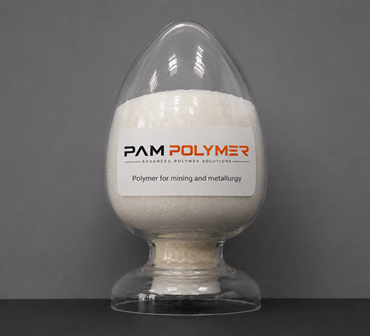
PAM works mainly as a flocculant, meaning it helps small suspended particles combine into larger particles that settle more easily in water or slurry systems.
PAM is available in several main types:
- Anionic Polyacrylamide (APAM)
- Cationic Polyacrylamide (CPAM)
- Non Ionic Polyacrylamide (NPAM)
- Amphoteric Polyacrylamide (AmPAM)
Different types are selected according to water quality, pH level, sludge type, and industrial application.
Main Uses of PAM Polyacrylamide
Water and Wastewater Treatment
PAM is commonly used in municipal sewage plants and industrial wastewater systems to improve sedimentation, clarification, sludge dewatering, and filtration efficiency. It reduces suspended solids and helps produce cleaner discharged water.
Mining and Mineral Processing
In mining industries, PAM is used for tailings treatment, slurry thickening, and ore washing. It helps separate solids from liquids more efficiently and improves water recycling performance.
Oil Drilling and Oilfield Applications
Rheological PAM products are used in drilling fluids and enhanced oil recovery systems to improve viscosity, lubrication, and fluid stability.
Paper Making and Textile Industry
PAM improves paper strength, retention performance, and wastewater treatment efficiency in paper mills and textile factories.
How to Use PAM Polyacrylamide
Step 1: Prepare the Solution
PAM is normally supplied as powder, granules, or emulsion. The powder should be slowly added into clean water while stirring continuously. Fast dumping may create clumps.
Typical concentration:
- 0.1% to 0.3% solution
Step 2: Stir and Dissolve
The solution usually requires:
- 30 to 60 minutes mixing time
- Moderate stirring speed
- Clean, non-salty water
After complete dissolution, the solution becomes clear and slightly viscous.
Step 3: Add Into Treatment System
The prepared PAM solution is then dosed into:
- Wastewater tanks
- Clarifiers
- Sludge dewatering systems
- Mining slurry systems
- Sand washing plants
The correct dosage depends on:
- Water quality
- Suspended solids level
- pH value
- Type of PAM
- Treatment equipment
Most industrial systems use dosing pumps for accurate chemical feeding.
How Much Does PAM Polyacrylamide Cost?
The price of PAM polyacrylamide depends on:
- Ionic type
- Molecular weight
- Purity
- Application grade
- Packaging
- Bulk quantity
Typical bulk industrial price ranges are:
| Product Type | Approximate Bulk Price |
|---|---|
| Anionic PAM | USD 860–3000 per ton |
| Cationic PAM | Higher due to ionic degree |
| Non Ionic PAM | USD 1000–3000 per ton |
| Specialty Rheological PAM | Higher depending on viscosity |
Small-package retail pricing can range from:
- USD 13–500 depending on package size and concentration.
How to Get a PAM Quote
Most PAM manufacturers and suppliers provide quotations based on:
- Application industry
- Water condition
- Ionic type needed
- Molecular weight
- Required quantity
- Shipping destination
Professional PAM suppliers usually offer:
- Free sample testing
- Technical dosage recommendations
- Customized formulations
- OEM packaging
- Container export services
When requesting a quote, buyers normally provide:
- Water analysis report
- Sludge type
- Treatment capacity
- Existing chemical usage
- Desired performance target
Choosing the Right PAM Supplier
A reliable PAM manufacturer or exporter should provide:
- Stable product quality
- Technical support
- Fast delivery
- Export experience
- Competitive bulk pricing
- Customized polymer solutions
Industries around the world continue using PAM because it improves treatment efficiency, reduces operating costs, saves water resources, and supports cleaner industrial production.

Get Best China PAM Polymer
Join PAM Polymer Newsletter to get more information of China PAM Polymer


