

 By Mr.Sun
Polyacrylamide, often called PAM, is a water-soluble polymer widely used in many industries around the world.
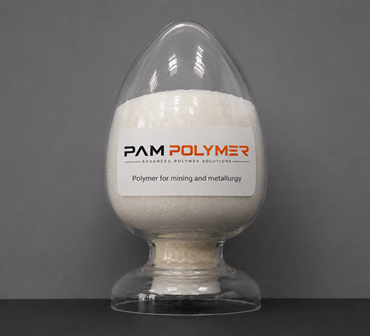
It is known for its strong flocculation ability, thickening performance, drag reduction properties, and water treatment efficiency.
PAMPolymer supplies different types of polyacrylamide products for mining, metallurgy, wastewater treatment, paper production, oil drilling, textile manufacturing, agriculture, and many other industrial applications.
Polyacrylamide is made from acrylamide monomers through polymerization. It can be produced in several forms, including powder, emulsion, granules, and liquid solutions. Depending on the ion type, polyacrylamide can be divided into anionic polyacrylamide, cationic polyacrylamide, nonionic polyacrylamide, and amphoteric polyacrylamide. Each type is designed for different industrial environments and treatment systems.
Because of its excellent chemical properties and cost-effective performance, polyacrylamide has become one of the most important industrial polymers used globally.
Polyacrylamide in Water Treatment
One of the most common uses of polyacrylamide is water treatment. PAMPolymer products are widely used in municipal wastewater treatment plants, industrial wastewater systems, and drinking water purification projects.
Polyacrylamide acts as a flocculant. It helps small suspended particles combine into larger particles called flocs. These flocs settle faster and make the water cleaner. Industries use PAM to reduce suspended solids, improve sludge dewatering, and lower treatment costs.
In wastewater treatment plants, cationic polyacrylamide is often used for sludge dewatering because it improves water separation efficiency. Anionic polyacrylamide is commonly used in inorganic wastewater systems such as mining, sand washing, and metallurgy.
Many industries produce wastewater containing oils, dyes, organic materials, heavy metals, or suspended particles. Polyacrylamide helps remove these pollutants and improves overall treatment efficiency.
Common industries using PAMPolymer water treatment chemicals include:
- Mining and mineral processing
- Food processing factories
- Textile and dyeing plants
- Paper mills
- Chemical manufacturing plants
- Municipal sewage treatment plants
- Steel and metallurgy industries
- Sand washing operations
- Oil refineries
Using polyacrylamide can help reduce chemical consumption, improve water recycling rates, and lower environmental discharge levels.
Polyacrylamide in Mining and Metallurgy
Mining and metallurgy are major application areas for PAMPolymer products. Polyacrylamide is widely used during mineral separation, tailings treatment, thickening, flotation, and wastewater recycling.
Mining operations generate large amounts of fine particles and slurry water. Without proper treatment, these materials can create environmental problems and increase operational costs. Polyacrylamide helps separate solids from liquids more efficiently.
In mineral processing plants, anionic polyacrylamide is commonly used in:
- Iron ore processing
- Copper mining
- Gold mining
- Coal washing
- Lead and zinc mining
- Phosphate mining
- Rare earth processing
Polyacrylamide improves sedimentation speed inside thickeners and clarifiers. It helps increase solid recovery rates and reduces water loss. This allows mining companies to recycle more water and improve production efficiency.
In tailings ponds, PAMPolymer products help accelerate settling and reduce suspended solids. This supports environmental protection and improves water reuse.
Metallurgy plants also use polyacrylamide for wastewater treatment and sludge management. Steel mills, aluminum plants, and metal refining factories often use PAM to reduce turbidity and improve filtration performance.
Polyacrylamide in Oil and Gas Industry
The oil and gas industry uses polyacrylamide for drilling fluids, enhanced oil recovery, and friction reduction.
Partially hydrolyzed polyacrylamide, also called HPAM, is commonly used in oilfields. It helps increase the viscosity of injected water and improves oil displacement efficiency.
Enhanced oil recovery systems use polyacrylamide to push trapped crude oil toward production wells. This technology can increase oil recovery rates significantly.
In drilling operations, polyacrylamide is added to drilling mud systems to improve lubrication, reduce fluid loss, and stabilize boreholes.
Oilfield applications of PAMPolymer include:
- Enhanced oil recovery
- Hydraulic fracturing fluids
- Drilling mud additives
- Produced water treatment
- Pipeline drag reduction
- Wastewater treatment
Polyacrylamide also helps reduce friction in pipelines. This drag reduction property improves transportation efficiency and lowers energy consumption.
Polyacrylamide in Paper Industry
The paper industry has used polyacrylamide for many decades. PAMPolymer supplies paper-grade polyacrylamide products that improve paper strength, retention, drainage, and production efficiency.
Cationic polyacrylamide is commonly used as a retention aid in paper manufacturing. It helps fine fibers and fillers remain inside the paper sheet instead of being lost in wastewater.
Polyacrylamide can also improve dry paper strength by increasing hydrogen bonding between fibers.
Benefits of using polyacrylamide in paper mills include:
- Better paper strength
- Improved retention rates
- Faster drainage
- Reduced raw material loss
- Cleaner wastewater discharge
- Higher machine speed
PAM is widely used in tissue paper production, packaging paper, kraft paper, printing paper, and specialty paper manufacturing.
Polyacrylamide in Textile Industry
Textile factories use polyacrylamide during dyeing, printing, wastewater treatment, and fabric processing.
Textile wastewater often contains dyes, suspended particles, and organic pollutants. PAMPolymer products help remove these impurities through flocculation and sedimentation.
Polyacrylamide can also be used as a thickener and stabilizer in textile chemical formulations.
The textile industry benefits from PAM because it improves water clarity and helps factories meet environmental discharge regulations.
Polyacrylamide in Agriculture
Agriculture is another important application area for polyacrylamide. Farmers and agricultural companies use PAM to improve soil structure, reduce erosion, and increase water retention.
Anionic polyacrylamide is commonly applied in irrigation systems. It helps reduce soil loss caused by water flow and improves water infiltration.
Benefits of agricultural polyacrylamide include:
- Reduced soil erosion
- Better water absorption
- Lower irrigation runoff
- Improved crop growth conditions
- Reduced nutrient loss
Polyacrylamide can also help improve sandy soils and support moisture retention in dry regions.
Polyacrylamide in Sand Washing
Sand washing plants use polyacrylamide to accelerate sedimentation and improve water recycling.
During sand washing, large amounts of muddy water are generated. Fine particles remain suspended in the water and settle slowly. PAMPolymer flocculants help combine these particles into larger flocs that settle rapidly.
This process helps:
- Recover more sand
- Improve water recycling
- Reduce wastewater discharge
- Lower operational costs
- Increase thickener efficiency
Anionic polyacrylamide is the most common type used in sand washing applications.
Polyacrylamide in Construction Industry
The construction industry uses polyacrylamide for soil stabilization, tunnel boring, concrete additives, and drilling operations.
PAM can improve the viscosity and performance of construction fluids. It also helps control erosion at construction sites.
In tunneling and piling projects, polyacrylamide improves drilling fluid stability and reduces water separation.
Construction applications include:
- Soil stabilization
- Concrete admixtures
- Tunnel boring fluids
- Foundation drilling
- Dust control
- Erosion prevention
Polyacrylamide in Biotechnology and Laboratories
Polyacrylamide gels are widely used in laboratories for electrophoresis. Scientists use polyacrylamide gel electrophoresis to separate proteins and nucleic acids.
The gel structure creates adjustable pore sizes that allow molecules to move at different speeds.
Laboratory-grade polyacrylamide is important in:
- Medical research
- Biotechnology
- DNA analysis
- Protein separation
- Academic laboratories
This scientific use is very different from industrial water treatment applications, but it remains one of the best-known uses of polyacrylamide.
Types of Polyacrylamide
Different industries require different types of polyacrylamide products. PAMPolymer provides several product categories designed for specific industrial needs.
Anionic Polyacrylamide
Anionic PAM carries negative charges and is commonly used in:
- Mining
- Sand washing
- Mineral processing
- Wastewater treatment
- Soil stabilization
It performs well in inorganic wastewater systems.
Cationic Polyacrylamide
Cationic PAM carries positive charges and is mainly used in:
- Municipal sludge dewatering
- Organic wastewater treatment
- Paper mills
- Food processing wastewater
It is highly effective for sludge separation.
Nonionic Polyacrylamide
Nonionic PAM contains very low ionic charge and works well in neutral conditions.
Applications include:
- Mineral processing
- Textile treatment
- Acidic wastewater systems
Amphoteric Polyacrylamide
Amphoteric PAM contains both positive and negative charges.
It is suitable for complex wastewater systems where multiple contaminants are present.
Advantages of Polyacrylamide
Polyacrylamide has become extremely popular because of its strong performance and versatility.
Key advantages include:
- High flocculation efficiency
- Low chemical dosage requirements
- Fast settling speed
- Improved water clarity
- Reduced operational costs
- Excellent water solubility
- Wide industrial compatibility
- Easy application methods
Many companies choose PAMPolymer products because they improve productivity while reducing environmental impact.
Environmental Importance of Polyacrylamide
Modern industries face strict environmental regulations. Wastewater discharge standards are becoming more demanding worldwide.
Polyacrylamide helps industries reduce pollution and recycle water more efficiently. By improving solid-liquid separation, PAM lowers suspended solids and reduces chemical oxygen demand in wastewater systems.
Mining companies, paper mills, textile factories, and municipalities increasingly rely on advanced flocculants to meet environmental goals.
Using efficient polyacrylamide products can help:
- Reduce fresh water consumption
- Improve recycling systems
- Lower sludge volume
- Reduce environmental discharge
- Improve sustainability
How to Choose the Right Polyacrylamide
Choosing the correct polyacrylamide depends on several factors.
Important considerations include:
- Wastewater type
- pH conditions
- Solid concentration
- Temperature
- Treatment equipment
- Desired settling speed
- Sludge properties
Laboratory testing is often recommended before selecting the final product.
PAMPolymer technical teams usually perform jar testing and application analysis to help customers choose the most suitable product model.
Future Market for Polyacrylamide
Global demand for polyacrylamide continues to grow because of industrial expansion and increasing environmental regulations.
Industries worldwide need better wastewater treatment solutions, improved mining efficiency, and advanced industrial processing chemicals.
The future market for PAMPolymer products is expected to grow strongly in:
- Mining and metallurgy
- Water treatment
- Oilfield chemicals
- Sand washing
- Municipal wastewater treatment
- Paper manufacturing
- Agriculture
As water scarcity becomes a larger global issue, more companies will focus on water recycling and sustainable treatment technologies.
Conclusion
Polyacrylamide is one of the most important industrial polymers used today. It plays a critical role in water treatment, mining, metallurgy, oil recovery, papermaking, agriculture, textile processing, sand washing, biotechnology, and many other industries.
PAMPolymer supplies advanced polyacrylamide solutions designed to improve industrial efficiency, reduce environmental impact, and support sustainable development.
Whether used for sludge dewatering, mineral processing, wastewater clarification, oilfield recovery, or soil stabilization, polyacrylamide continues to provide reliable and cost-effective performance across global industries.
As industrial water treatment and environmental protection requirements continue to increase, the demand for high-quality polyacrylamide products will continue growing worldwide.
Source material adapted and rewritten from user-provided reference content.

Get Best China PAM Polymer
Join PAM Polymer Newsletter to get more information of China PAM Polymer


